

New Market Entrants Focus on Niche Segments Such as Men’s False Lashes
New Market Entrants Target Men’s False Lashes as Niche Beauty Growth Driver
The global false lashes market is witnessing a notable shift as new entrants increasingly pivot toward niche segments, with men’s false lashes emerging as a high-growth area. Traditionally dominated by women’s products, the industry is now recognizing untapped demand in male grooming, driven by evolving beauty norms, social media influence, and a surge in gender-neutral beauty trends.
Market data underscores this momentum. According to a 2024 report by Grand View Research, the men’s cosmetics sector is projected to grow at a CAGR of 6.8% through 2030, with eye-enhancing products like false lashes gaining traction. Unlike women’s false lashes, which often prioritize volume and drama, men’s variants focus on subtlety—think natural-length fibers (typically 8–12mm), lightweight materials, and neutral tones to mimic a “no-makeup” look. This shift in product design reflects a key insight: male consumers seek enhancement, not transformation.
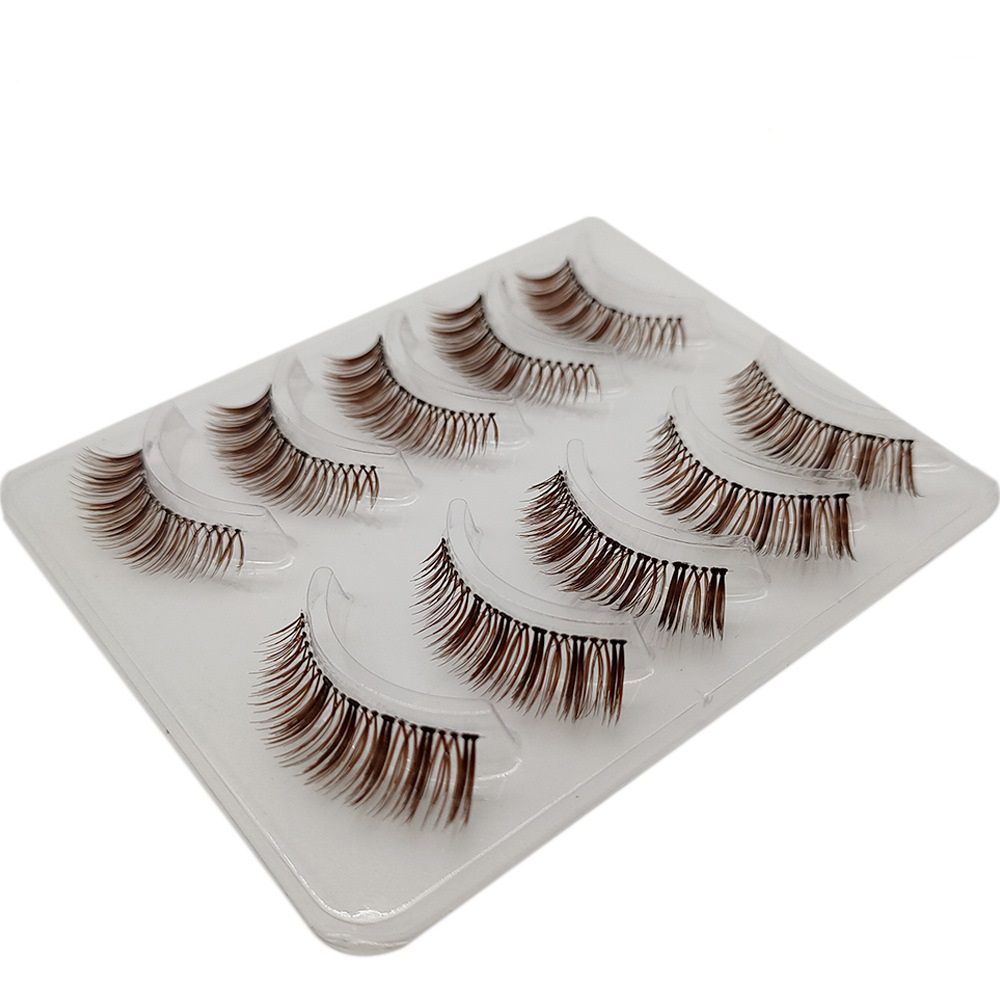
New players are capitalizing on this by innovating in materials and manufacturing. For instance, many are adopting premium PBT (polybutylene terephthalate) fibers, known for their softness and flexibility, to avoid the “stiff” feel associated with traditional lashes. Others are experimenting with human hair blends, which offer a more authentic texture. Production processes are also being refined: 3D stereoscopic cutting ensures lashes follow the natural curvature of the eye, while low-sensitivity adhesives cater to men’s often oilier, more sensitive skin—addressing a critical pain point in early male lash products.
Social media has been a catalyst for adoption. Platforms like TikTok and Instagram are flooded with male beauty influencers showcasing “everyday lash routines,” normalizing the product. Hashtags such as MensLashes and MaleGrooming have amassed over 50 million views, creating a community that demystifies the product. Brands like Lashify and The Lash Lounge have launched male-specific lines, while DTC startups like ManLashes are bypassing traditional retail to target Gen Z and millennial men directly through personalized online campaigns.
However, challenges persist. Market education remains a hurdle: many men still associate false lashes with femininity, requiring brands to frame them as a “grooming tool” rather than a “makeup product.” Pricing is another consideration—premium materials and specialized design can push costs higher, though early data suggests men are willing to invest in quality, with average spend per lash kit 15% higher than women’s basic variants.
Looking ahead, the men’s false lashes niche is poised for expansion. As gender norms continue to blur and male self-care becomes mainstream, new entrants that prioritize natural design, skin-friendly materials, and targeted marketing will likely lead the charge. For manufacturers, this means rethinking production lines to accommodate smaller batch sizes and custom specifications—adapting agility to meet the unique demands of this growing segment.


